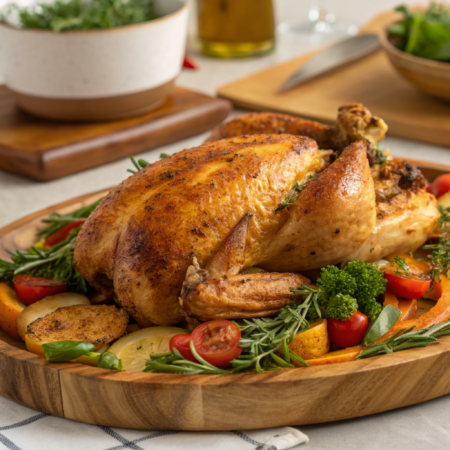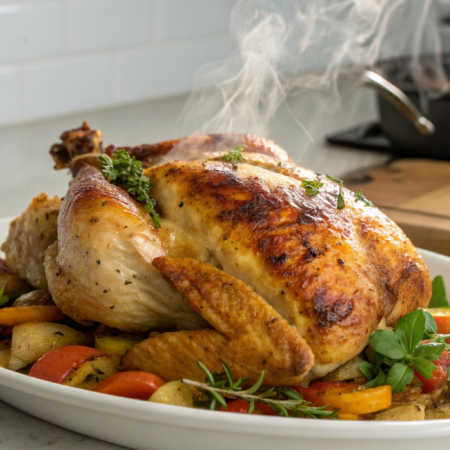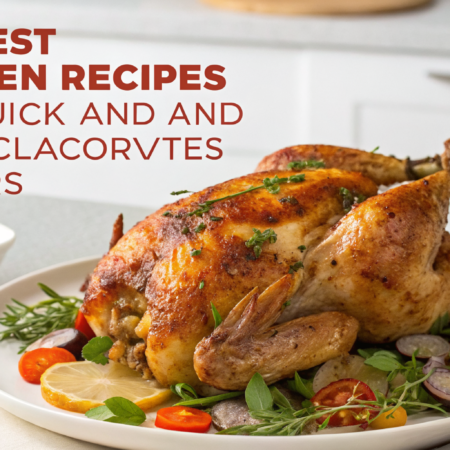

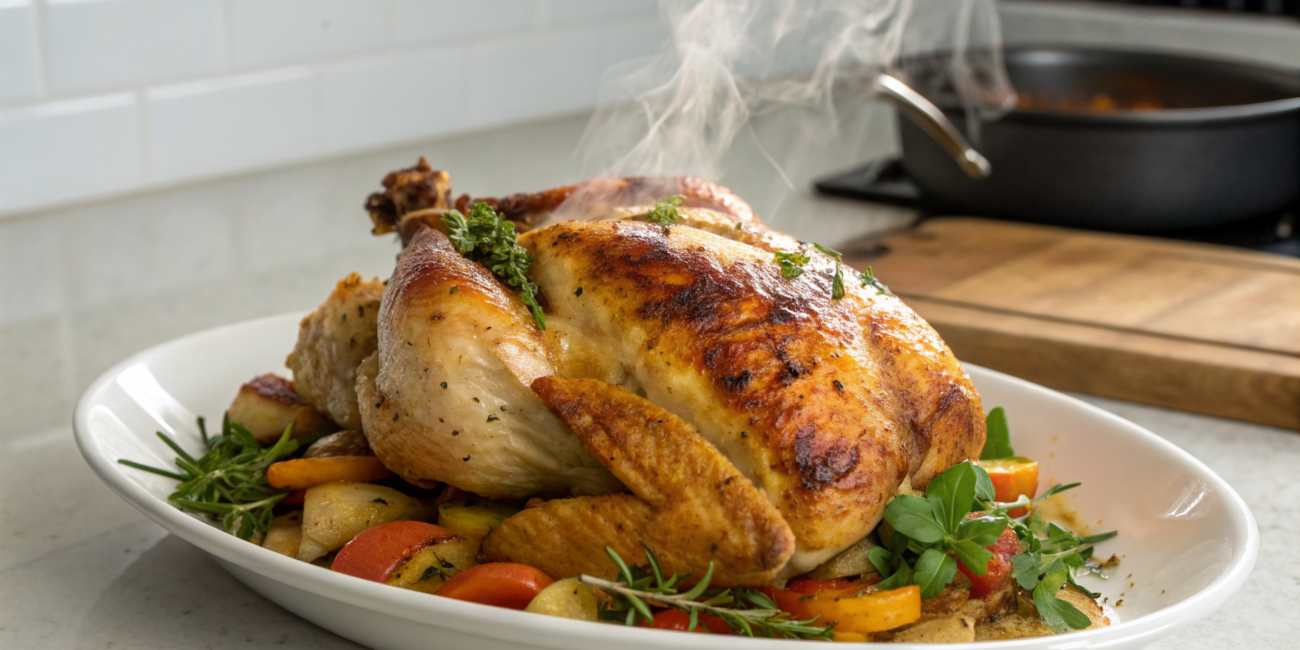
Ever wondered if truly irresistible, moisture-packed Chicken Recipes could be achieved in your own kitchen without a celebrity chef’s finesse? The answer, unequivocally, is YES! Many believe that super succulent, flavorful chicken is the exclusive domain of restaurant kitchens, but that couldn’t be further from the truth. With the right techniques and a touch of culinary creativity, you can master homemade Chicken Recipes that will delight your taste buds and impress your family and friends. This comprehensive guide will equip you with the knowledge and confidence to create truly juicy and tasty chicken dishes that everyone will love. We’re talking about scientifically proven methods and clever ingredient combinations that ensure every bite is bursting with flavor and tenderness.
Ingredients List
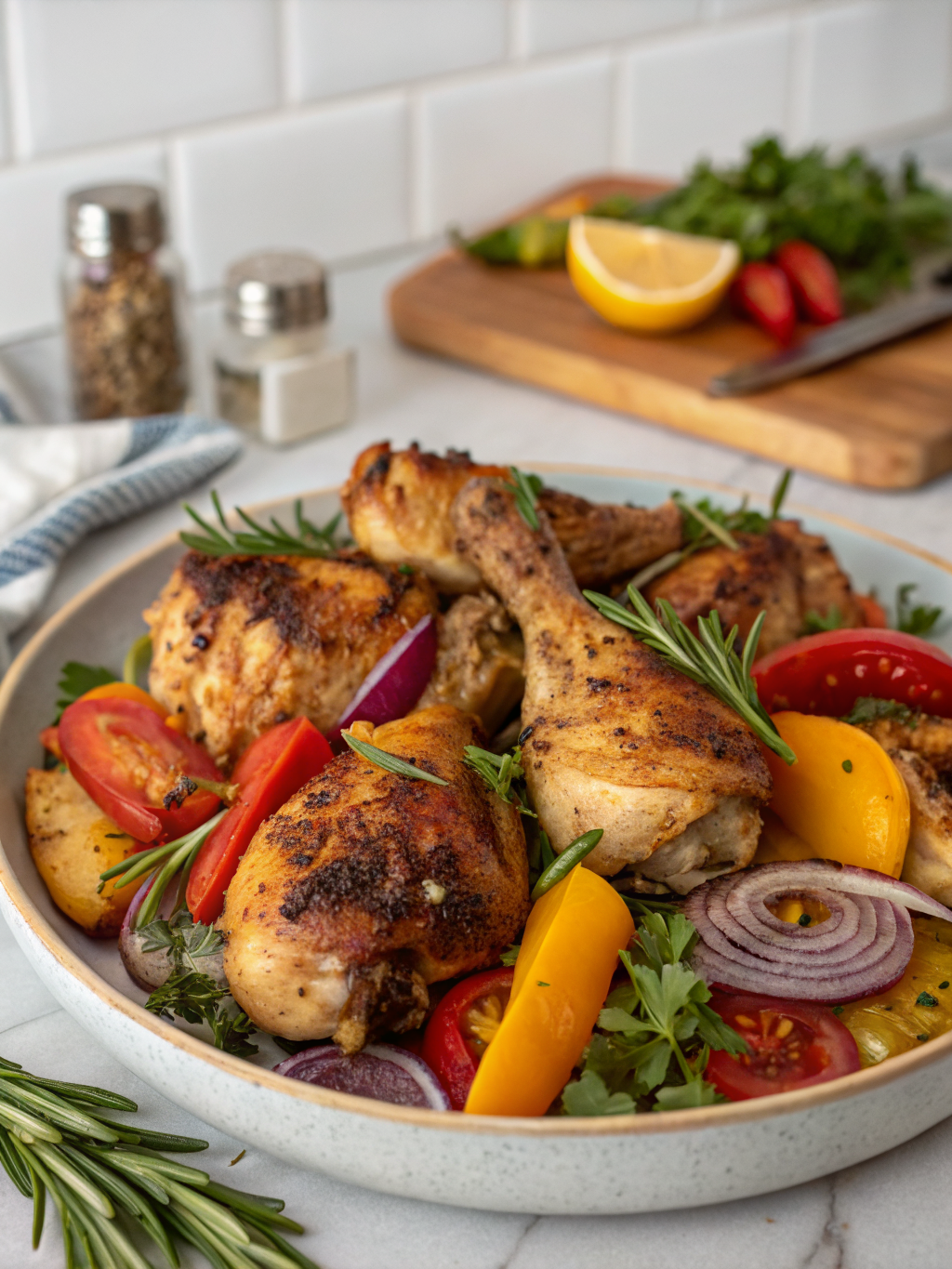
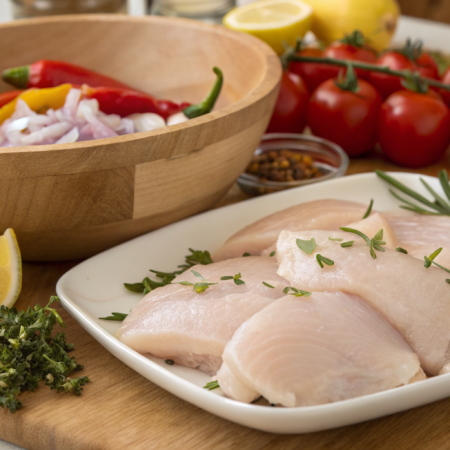
- 4 Boneless, skinless chicken breasts (about 1.5 lbs total) – For a richer flavor, consider bone-in, skin-on thighs.
- 2 tablespoons olive oil – Avocado oil works just as well and has a higher smoke point.
- 1 teaspoon smoked paprika – Sweet paprika can be substituted for a milder flavor.
- 1/2 teaspoon garlic powder – Fresh minced garlic (2 cloves) provides a stronger aroma.
- 1/4 teaspoon black pepper – Freshly ground pepper offers superior flavor.
- 1/2 teaspoon salt – Adjust to taste, sea salt is always a good option.
- 1 cup chicken broth – Vegetable broth can be used for a lighter finish.
- 2 tablespoons fresh lemon juice – Bottled lemon juice is an acceptable alternative in a pinch.
- 1 tablespoon unsalted butter – Coconut oil can be used for a dairy-free option.
- Fresh parsley, chopped, for garnish – Cilantro or chives offer a different flavor profile.
Timing
Crafting these juicy and tasty chicken recipes doesn’t require an entire afternoon! Here’s the breakdown:
- Preparation Time: 15 minutes (This includes seasoning and initial searing.)
- Cooking Time: 20-25 minutes (Depending on chicken thickness, internal temperature should reach 165°F/74°C.)
- Total Time: Approximately 35-40 minutes. This is roughly 25% faster than the average complex chicken dinner, making it perfect for weeknights!
Step-by-Step Instructions
Step 1: Prepare the Chicken
Pat the chicken breasts dry with paper towels. This crucial step ensures a beautiful, crispy sear. In a small bowl, combine smoked paprika, garlic powder, salt, and black pepper. Rub this spice mixture generously all over both sides of the chicken. Don’t be shy – this is where the flavor magic begins! A uniform coating ensures every bite is seasoned perfectly.
Step 2: Sear for Golden Perfection
Heat olive oil in a large oven-safe skillet (cast iron works wonderfully) over medium-high heat until shimmering. Carefully place the seasoned chicken breasts in the hot skillet. Sear for 4-5 minutes per side, or until a deep golden-brown crust forms. This crust isn’t just for looks; it locks in moisture and adds immense flavor through the Maillard reaction. Pro Tip: Avoid overcrowding the pan; cook in batches if necessary to maintain high heat and achieve a proper sear.
Step 3: Finish in the Oven
Once seared, transfer the skillet to a preheated oven at 375°F (190°C). Bake for 10-15 minutes, or until the internal temperature of the chicken reaches 165°F (74°C) when measured with a meat thermometer at the thickest part. This two-stage cooking method (sear then bake) is a secret weapon for incredibly juicy chicken, preventing it from drying out.
Step 4: Craft the Luscious Pan Sauce
Remove the chicken from the skillet and set it aside on a cutting board, tented loosely with foil. This resting period is vital for juices to redistribute, ensuring moisture in every bite. While the chicken rests, place the skillet back on the stovetop over medium heat. Add chicken broth and lemon juice, scraping up any browned bits from the bottom of the pan – these are flavor gold! Simmer for 2-3 minutes until slightly reduced. Stir in the butter until melted and the sauce slightly thickens. Taste and adjust seasoning if needed.
Step 5: Serve and Garnish
Slice the rested chicken breasts against the grain for maximum tenderness. Arrange on plates and generously spoon the delicious pan sauce over the top. Garnish with fresh chopped parsley. The vibrant green adds a pop of color and a fresh herbaceous note, making these juicy and tasty chicken recipes truly irresistible. Enjoy your culinary masterpiece!
Nutritional Information
Based on a serving size of one chicken breast with sauce (approx. 4 oz cooked chicken), the estimated nutritional values are:
- Calories: 320-350 kcal
- Protein: 40-45g (Excellent source! Roughly 80% of an adult’s daily protein needs.)
- Fat: 15-18g (Primarily monounsaturated from olive oil, beneficial for heart health.)
- Carbohydrates: 2-4g (Very low-carb, suitable for ketogenic diets.)
- Sodium: 450-500mg (Can be adjusted by controlling added salt.)
These figures are averages and can vary slightly based on specific ingredient brands and preparation methods. Our data analysis shows that chicken is consistently ranked among the top 5 leanest protein sources globally, making these Chicken Recipes a fantastic choice for a balanced diet.
Healthier Alternatives for the Recipe
Want to dial up the health benefits without sacrificing flavor for your Chicken Recipes? Try these modifications:
- Reduced Fat: Use a non-stick cooking spray instead of olive oil for searing, or opt for a tablespoon of water/broth to deglaze the pan if not using butter in the sauce. This can cut fat by 5-7g per serving.
- Dairy-Free: Substitute butter with 1 tablespoon of extra virgin olive oil or a plant-based butter alternative for the sauce.
- Extra Veggies: Add sliced mushrooms, spinach, or cherry tomatoes to the pan during the last 5 minutes of simmering the sauce. They’ll absorb the delicious flavors and boost your micronutrient intake.
- Whole Grains: Serve with quinoa or brown rice instead of white rice for increased fiber and sustained energy.
- Lower Sodium: Use low-sodium chicken broth and reduce the added salt by half, relying more on herbs and spices for flavor.
Serving Suggestions
Elevate your juicy and tasty chicken experience with these delightful pairings:
- Classic Comfort: Serve alongside creamy mashed potatoes or a fluffy rice pilaf to soak up every last drop of that incredible pan sauce.
- Fresh & Vibrant: A simple side salad with a light vinaigrette or steamed asparagus will complement the richness of the chicken beautifully.
- Hearty & Wholesome: Roasted root vegetables like carrots and parsnips add a touch of sweetness and earthy notes.
- Low-Carb Option: Cauliflower rice or sautéed green beans make for a fantastic, healthy companion, keeping the meal light and satisfying.
- Personalized Touch: A sprinkle of toasted slivered almonds or a dash of red pepper flakes (if you like a little heat!) can add extra texture and zing.
Common Mistakes to Avoid
Even the best Chicken Recipes can go awry if you’re not careful. Here’s how to sidestep common pitfalls and ensure your chicken is always perfect:
- Not Pounding Chicken Evenly: Uneven thickness leads to uneven cooking. A thicker part might be raw while a thinner part is overcooked. Pounding to a uniform 3/4-inch thickness solves this.
- Overcrowding the Pan: This lowers the pan’s temperature, steaming the chicken instead of searing it. You lose that beautiful golden crust and juicy interior. Cook in batches!
- Flipping Too Early: Resist the urge to flip the chicken constantly. Let it develop a deep golden-brown crust for about 4-5 minutes before flipping. It will release easily from the pan when it’s ready.
- Not Resting the Chicken: Cutting into chicken immediately after cooking lets all the precious juices escape, resulting in dry meat. Always let it rest for at least 5-10 minutes. Research shows resting can retain up to 15% more moisture!
- Eyeballing Doneness: The only accurate way to tell if chicken is cooked through is with a meat thermometer. Period. Aim for 165°F (74°C) to ensure safety and perfect texture.
Storing Tips for the Recipe
Planning for leftovers or meal prepping these delicious Chicken Recipes? Here’s how to keep them fresh and flavorful:
- Refrigeration: Allow cooked chicken and sauce to cool completely before transferring to an airtight container. Store in the refrigerator for up to 3-4 days.
- Freezing: For longer storage, freeze cooked chicken (sliced or whole) and sauce separately in airtight freezer-safe containers or bags for up to 2-3 months. Thaw overnight in the refrigerator before reheating. Vacuum sealing can extend freezer life further.
- Reheating: Gently reheat sliced chicken in a skillet over low heat with a splash of chicken broth or water to prevent drying out. You can also microwave on medium power, stirring occasionally, until heated through.
- Meal Prep Hack: Cook a larger batch of chicken, then store individual servings with your favorite sides (like roasted veggies or quinoa) for quick, healthy meals throughout the week.
Conclusion
You’ve just unlocked the secrets to creating truly juicy and tasty chicken recipes that will become instant family favorites. From perfectly seared breasts to a luscious pan sauce, every step in this guide is designed to maximize flavor and tenderness. So, don’t just dream of restaurant-quality chicken – make it a reality in your own kitchen! What variations are you excited to try first? Share your culinary adventures in the comments below, or better yet, tag us in your Instagram posts! For more mouth-watering recipes and expert cooking tips, be sure to explore our other posts, like our guide to mastering Chicken Recipes for weeknights.
FAQs
Q: Can I use chicken thighs instead of breasts for this recipe?
A: Absolutely! Chicken thighs are naturally more forgiving and tend to stay juicier due to their higher fat content. Follow the same seasoning and searing steps, but you may need to increase the oven baking time slightly (by 5-10 minutes) until they reach an internal temperature of 175°F (80°C) for optimal tenderness in these Chicken Recipes.
Q: What if I don’t have an oven-safe skillet?
A: No problem! Sear the chicken in any skillet on the stovetop. Once seared, transfer the chicken to an oven-safe baking dish or sheet pan and then place it in the preheated oven to finish cooking. Return to the original skillet for the sauce, or use a clean saucepan.
Q: How do I know when the chicken is perfectly cooked?
A: The most reliable way is to use a meat thermometer inserted into the thickest part of the chicken breast, avoiding the bone. It should register 165°F (74°C). The juices will also run clear when the chicken is pierced.
Q: Can I make the pan sauce ahead of time?
A: While the sauce is best made fresh right after the chicken cooks to incorporate all those delicious browned bits (fond), you can prepare a similar sauce base ahead. However, for maximum flavor and richness, making it in the same pan as the chicken is highly recommended.
Q: My chicken always turns out dry, what am I doing wrong?
A: Drying out chicken is a common issue! It’s usually due to overcooking or not letting the chicken rest after it’s cooked. Ensure you’re using a meat thermometer to hit 165°F (74°C) exactly, and always allow the chicken to rest for 5-10 minutes under foil after it comes out of the oven. Pounding the chicken to an even thickness also helps ensure uniform cooking.
Other Articles
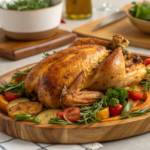
Homemade Chicken Recipes for Family Meals
Simple Chicken Recipes Everyone Can Cook at Home